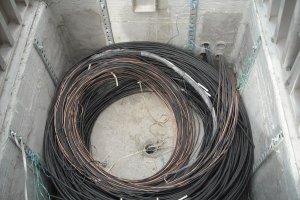
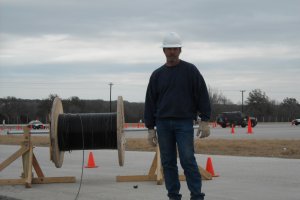
Fiber Optic Installation in Houston

Commercial and industrial fiber optic installation, network expansion, troubleshooting, and repair performed directly by Mark Sandmann.

Call (832) 795-9163

Commercial Fiber Optic Installation for Houston Businesses

Mark Sandmann provides fiber optic installation in Houston for businesses that need faster network connections, greater bandwidth, longer-distance cable runs, or reliable connectivity between important parts of a facility. He works with commercial and industrial properties on new fiber installations, network expansions, upgrades, troubleshooting, and repair.

When you call, you speak directly with Mark about what you need the network to accomplish. He helps you determine the practical way to reach that goal and performs the work himself.

Fiber may be used to connect network equipment across a large facility, create a high-capacity backbone, connect separate buildings, expand an existing network, replace a damaged connection, or support longer cable distances.

Talk Directly With Mark

Call (832) 795-9163 and explain what you need to connect, where the connection needs to run, and what you want the network to accomplish.

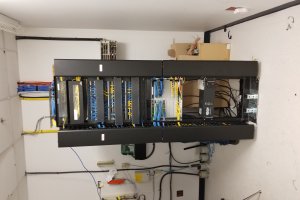
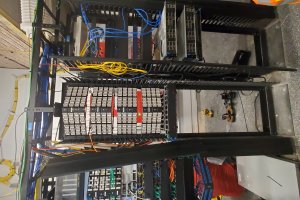
Commercial network and fiber optic installation project by Mark Sandmann

Work Directly With Mark Sandmann

When you contact Mark Sandmann, you are speaking with the person who will help evaluate the project and perform the work. You do not need to know exactly which fiber type, termination method, cable pathway, or network design you need before calling.

Start by explaining what you need to connect, where the connection needs to run, what problem you are trying to solve, and whether the property already has fiber. Mark can then help you work through the practical options.

His experience includes network installation, structured cabling, LAN/WAN networks, switches, routers, wireless access points, fiber optic networks, and related network infrastructure. This allows him to look at how the fiber connection fits into the larger system instead of treating it as an isolated cable run.

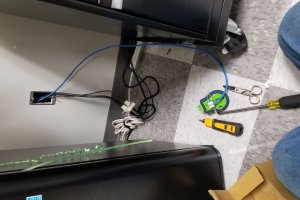
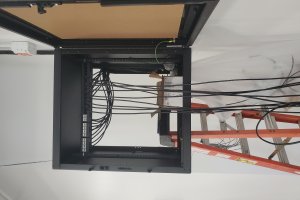
Mark Sandmann network installation work in Houston

Fiber Optic Installation Services

Single-Mode Fiber Installation

Single-mode fiber is commonly used for longer-distance connections, network backbones, building-to-building links, and infrastructure that may need additional capacity in the future. Mark can review what the connection needs to accomplish and help determine whether single-mode fiber fits the project.

Multimode Fiber Installation

Multimode fiber is commonly used for shorter high-speed connections within buildings, equipment rooms, network closets, and commercial facilities. The right choice depends on the actual network, equipment, distance, and bandwidth requirements.

Fiber Backbone Installation

A fiber backbone can carry network traffic between major parts of a building or facility, including equipment rooms, network closets, floors, warehouse sections, and network distribution points.

Building-to-Building Fiber

Fiber can connect offices, warehouses, industrial buildings, and other structures on the same property. Mark can review the distance, available pathways, equipment locations, and what the connected buildings need to share across the network.

Underground Fiber Installation

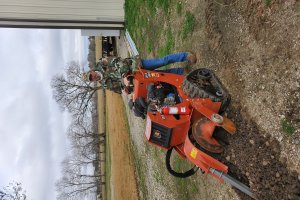
Some properties require fiber to travel through underground pathways between buildings or different parts of a site. The route, conduit, distance, entry points, and existing infrastructure all affect the scope of the work.

Aerial Fiber Installation

Some properties may require an above-ground fiber route where an aerial pathway is the practical option. The site, connection points, distance, and infrastructure at both ends need to be considered before installation.

Fiber Optic Cable Pulling

Commercial fiber may need to be routed through conduit, cable trays, telecommunications spaces, network rooms, warehouses, equipment areas, or pathways between buildings. The route matters as much as the cable itself.

Fusion Splicing

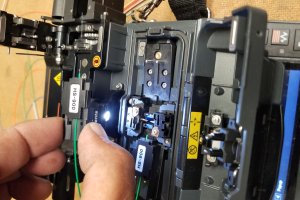
Fusion splicing permanently joins fiber strands and may be used when connecting sections of fiber, repairing damaged cable, extending an existing route, or completing larger installations.

Mechanical Splicing

Mechanical splicing joins fiber strands without permanently fusing them. Depending on the project, it may be considered for certain repairs, installations, or connection requirements.

Fiber Termination

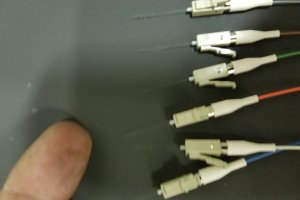
Fiber termination prepares installed cable to connect with patch panels, equipment, and the rest of the network. The termination method needs to match the fiber and equipment being used.

Fiber Patch Panels

Fiber patch panels provide an organized place to terminate, protect, and manage connections in network closets, telecommunications rooms, server rooms, equipment racks, and industrial network areas.

Fiber Testing & Certification

Testing can help identify connection problems, signal loss, damaged fiber, poor splices, termination problems, and other issues along the cable route. The testing method depends on the project and what needs to be verified.

OTDR Testing

OTDR testing can help evaluate a fiber link and locate breaks, excessive signal loss, problematic splices, connection issues, or the approximate location of a fault.

Fiber Troubleshooting & Repair

Mark can evaluate an existing connection and help determine whether the issue is related to the fiber, termination, splice, equipment connection, or another part of the network.

Existing Fiber Upgrades

An existing fiber network may need changes to support additional equipment, more network traffic, expanded operations, upgraded hardware, or another area of the property.

Fiber Network Expansion

A fiber expansion may add another network closet, connect a new part of a building, extend service to another building, add new connections, or expand an existing backbone.

Fiber Demarc Extensions

A demarc extension can carry a connection from the existing point of entry to an equipment room, network closet, server room, or another part of the facility where the network needs to receive it.

New Construction Fiber Installation

New construction gives businesses an opportunity to plan network rooms, fiber routes, conduit, building connections, and future expansion before the property is fully completed.

Warehouse & Industrial Fiber

Fiber can connect warehouse sections, network rooms, offices, production areas, equipment locations, separate buildings, and major network distribution points across large properties.

How Fiber Fits Into the Rest of Your Network

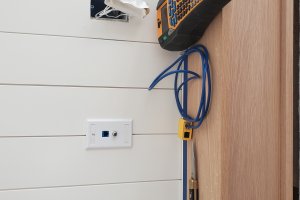
Fiber is often one part of a larger commercial network. A business may use fiber for the main backbone or a longer connection, then use CAT6 structured cabling to connect computers, phones, cameras, wireless access points, and other equipment throughout the property.

A complete network may include fiber optic cabling, CAT6 structured cabling, switches, routers, wireless access points, LAN/WAN connections, network closets, and equipment racks.

Because Mark works across these different areas of network infrastructure, he can look at what needs to happen before and after the fiber connection. The goal is not simply to install a cable. The connection needs to work with the equipment and network around it.

Related service: Structured Cabling in Houston

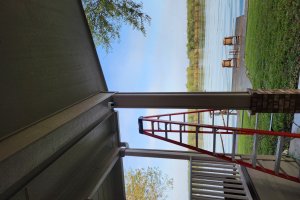
Fiber optic and structured cabling network infrastructure

How Mark Approaches a Fiber Optic Project

Start With What You Need to Accomplish

Tell Mark what you need to connect, what is happening now, and what you want the network to do. You do not need to have the technical solution figured out before calling.

Review the Property & Existing Network

The distance, cable pathways, existing infrastructure, equipment, and whether the project is a new installation, expansion, or repair can all affect the approach.

Determine the Practical Approach

Mark guides you through the available options and helps determine an approach that fits the actual goal, property, network, and existing infrastructure.

Mark Performs the Work

Mark performs the agreed installation work himself, so you communicate directly with the person doing the work instead of passing questions through multiple layers.

Fiber Optic Installation Throughout Houston

Mark is based in Houston and works with businesses throughout the Houston area. Projects can range from a new fiber connection inside one commercial property to larger network installations involving warehouses, industrial facilities, multiple network areas, or connections between buildings.

Have a project elsewhere in Texas? Contact Mark to discuss the location and scope.

Available 24/7 for Urgent Network Issues

A failed connection can interrupt communication between important parts of a property or prevent systems from communicating across the network. Mark is available 24 hours a day for urgent network and security system issues.

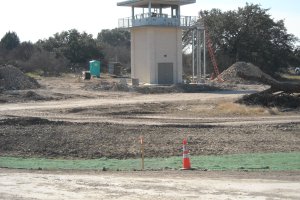
Fiber optic installation service in Houston

Frequently Asked Questions About Fiber Optic Installation

Yes. Mark Sandmann provides fiber optic installation for businesses and commercial or industrial properties in the Houston area. Projects may include new installations, network expansion, building-to-building connections, upgrades, troubleshooting, and repair.

No. Start by explaining what you need to connect, the approximate distance, and what you need the network to accomplish. Mark can help you work through the practical options for the project.

Yes. Fiber can be used to connect buildings on the same property where the project, distance, pathway, and network requirements make it appropriate. Mark can review the existing infrastructure and what needs to be connected.

Mark can troubleshoot existing fiber connections and help determine whether the problem requires repair, replacement, retermination, splicing, or changes elsewhere in the network.

Yes. Mark works with fiber optic networks, CAT6 structured cabling, LAN/WAN networks, switches, routers, and wireless access points. This allows him to consider how the fiber connection fits into the larger network.

You will work directly with Mark Sandmann. Mark discusses the project with you, helps determine the practical approach, and performs the work himself.

The primary focus of this page is Houston. Mark may also take on projects elsewhere in Texas depending on the location and scope. Call to discuss the project.

Talk Directly With Mark About Your Fiber Project

Hours

Monday - Sunday: 24 Hours

Primary Service Area

Houston, Texas

License

Texas DPS Security License
B12722101

Tell Mark About Your Project

Share a few details about the service you need and the best way to reach you.